Choose your language *
Heavy rain or drought

How HOWOGE deals with water

* This page has been translated via Google's Cloud Translation API. HOWOGE does not edit the content.
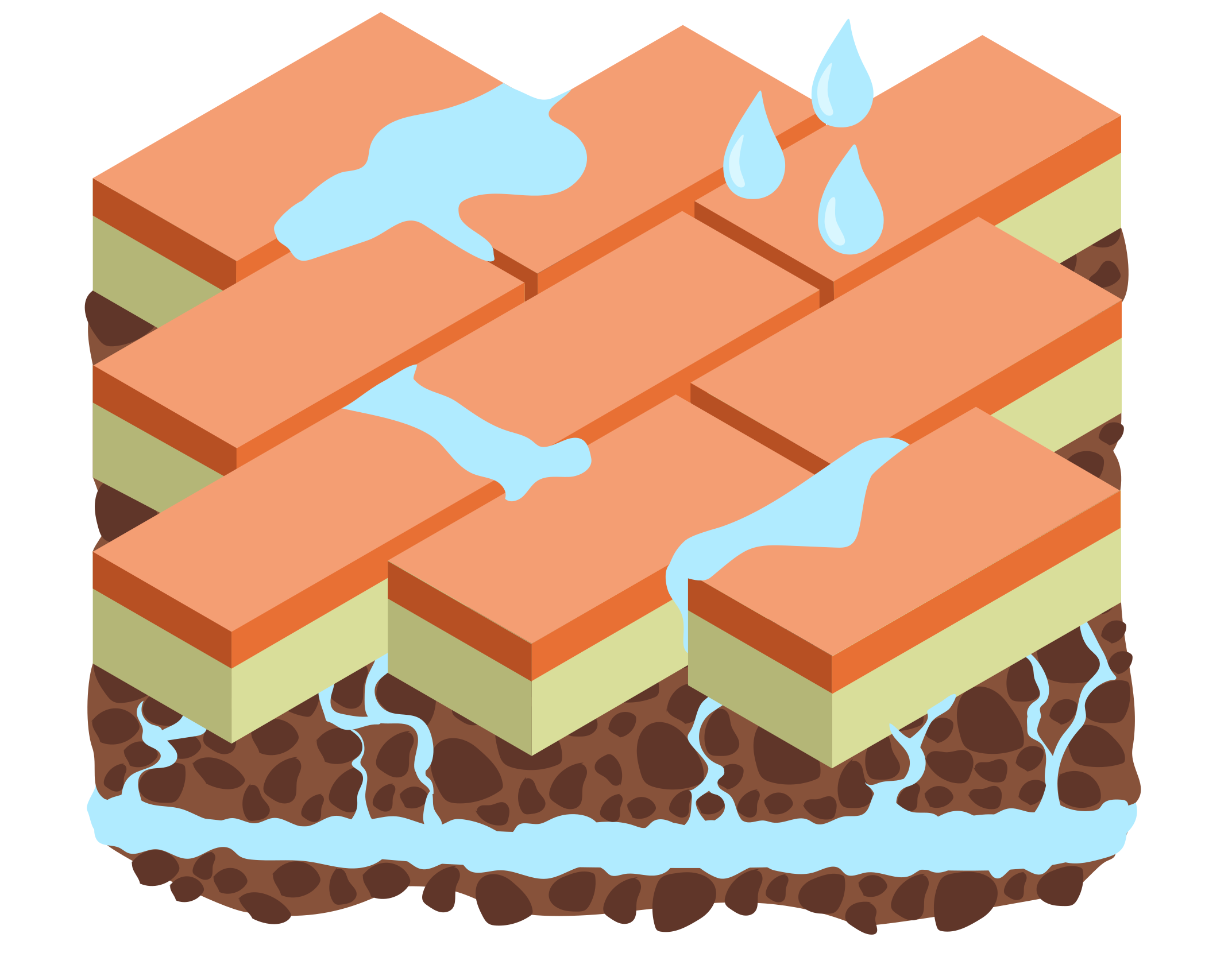
Illustration of paving stones through which water seeps, with soil underneath.

HOWOGE is actively committed to making Berlin a "sponge city." This requires expertise. HOWOGE's experts are therefore constructing new buildings using all the tools of a climate-adapted city – and are also upgrading existing buildings to withstand future extreme weather events.

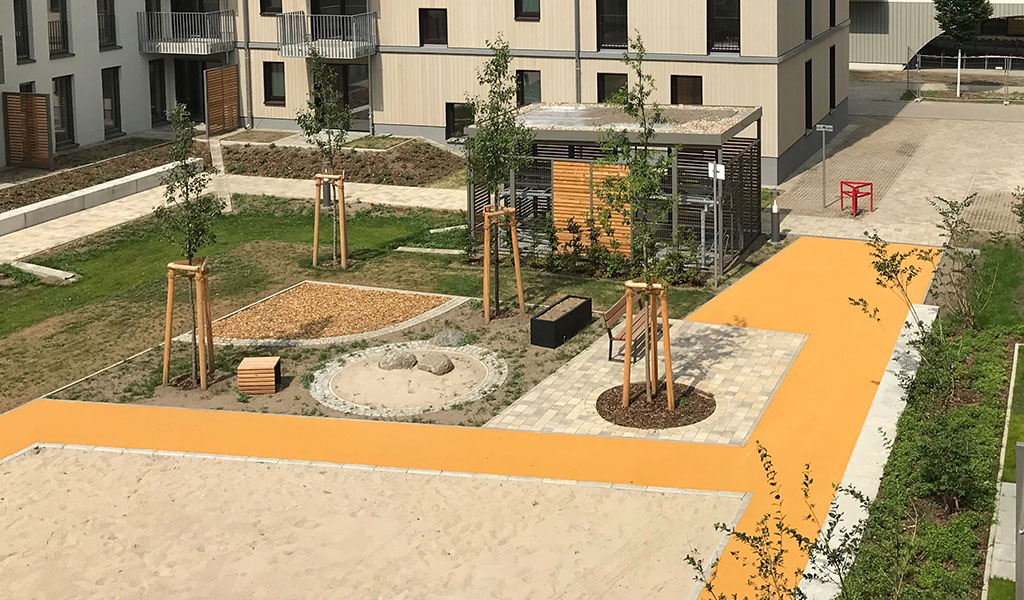
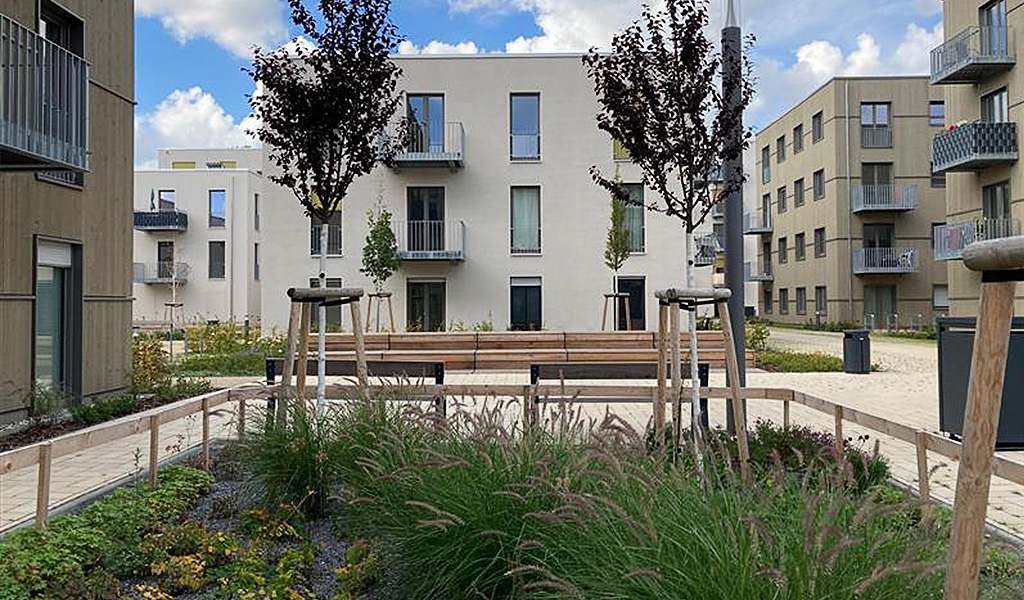
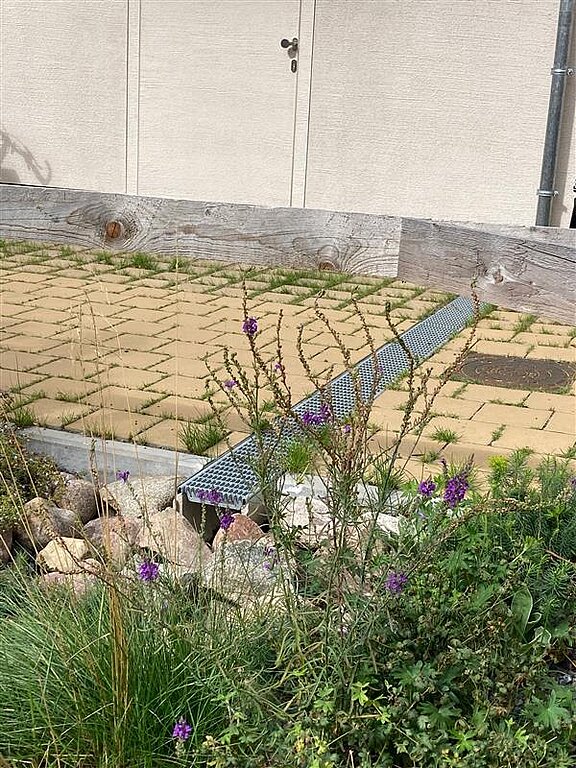
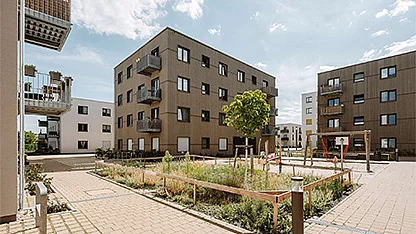
HOWOGE takes the concept of the "sponge city" very seriously. This is how Berlin aims to adapt to climate change: slowing down surface runoff during rain and storing it in the ground, allowing it to evaporate, or utilizing it during dry periods. This is clearly visible in HOWOGE's Johannisgärten development . There, permeable paving materials were used, and where accessibility allowed, gaps were incorporated into the paving to allow water to seep into the ground. Global warming is making weather more extreme. Heavy rainfall, which can lead to flooding, is becoming more frequent, but droughts are also increasing. Therefore, it is crucial to store rainwater as much as possible and ideally reuse it, for example, for irrigation. As a housing company, HOWOGE already takes various measures to ensure that rainwater drains effectively and is retained in the ground.

How HOWOGE is turning Berlin into a sponge city

Illustration of a crane on a building

Less sealing

Minimize soil sealing, also by creating living space through roof extensions.

Illustration of a floor

Permeability

    • Paving paths in a way that allows water to permeate them, also using water-permeable materials.

    Green roof

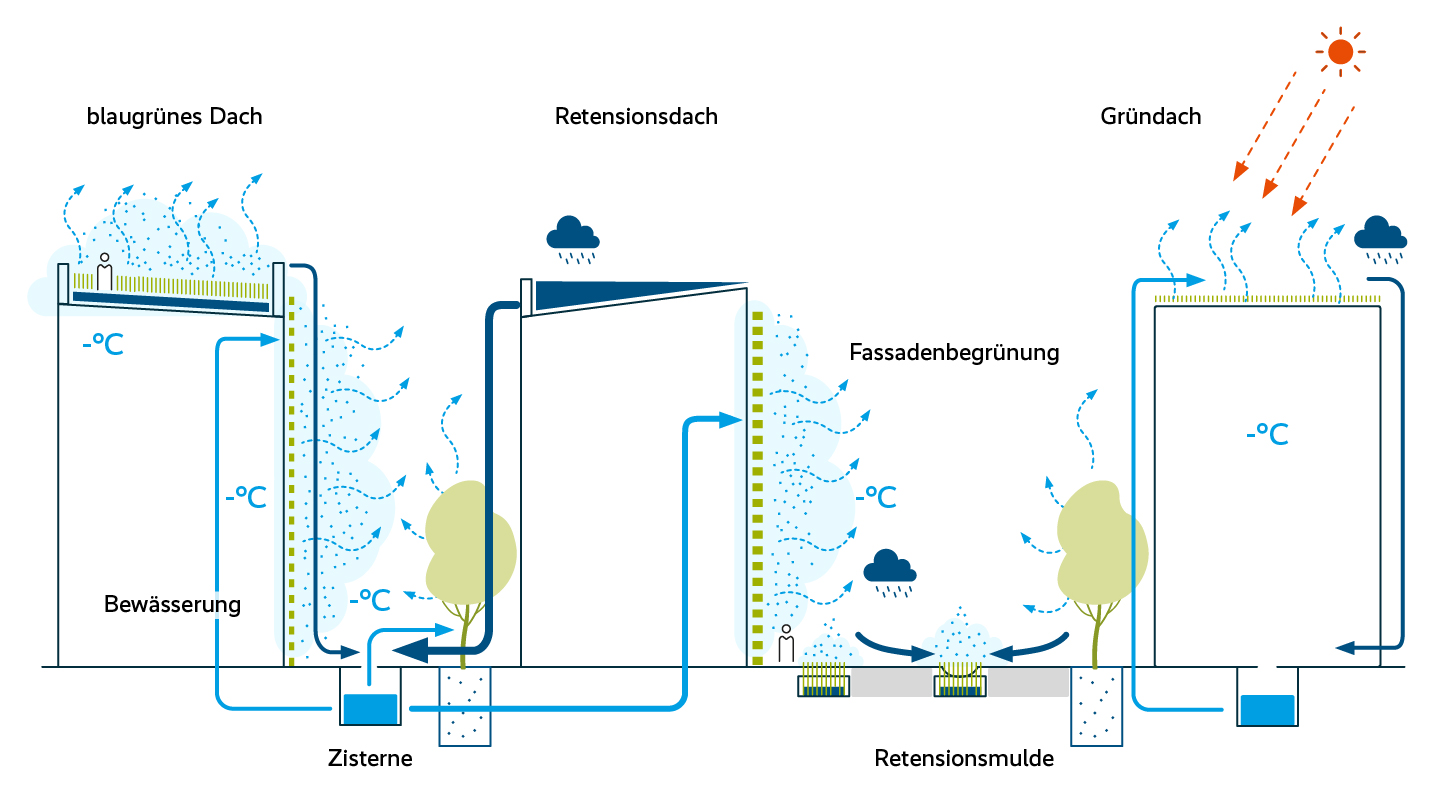
    Intermediate storage on roofs in the form of extensive green roofs with retention roofs, plus green energy from the roof.

    Illustration of planted forecourts

    planting

    Climate-adapted plants in the outdoor areas

    storage

    Temporary storage and infiltration of rainwater using swales or trenches

    Rainwater harvesting & existing infrastructure integration

    New and existing buildings share a common infiltration system; rainwater is used for irrigation.

    Goal: To slow down the water

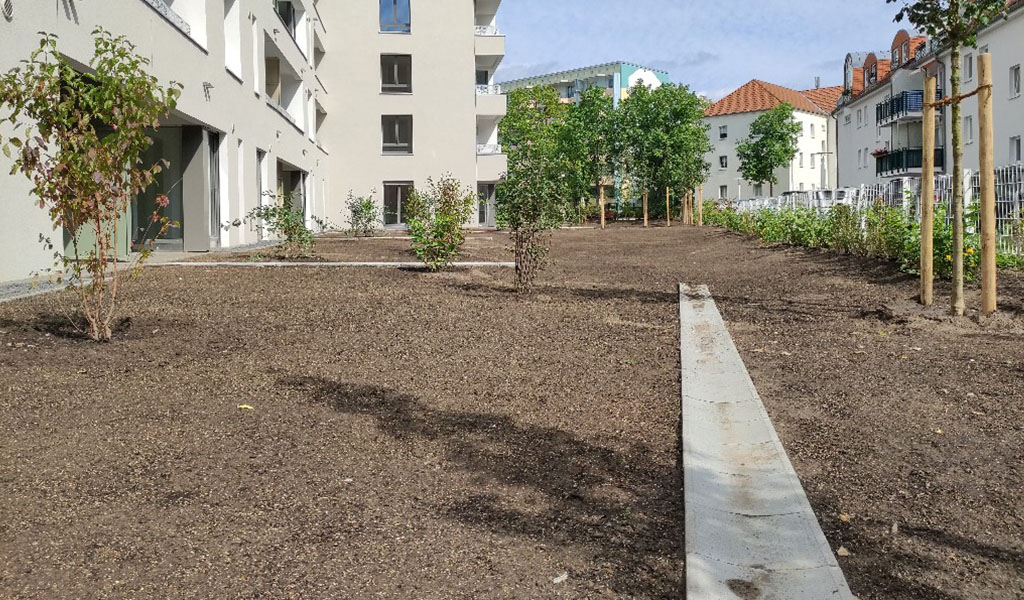
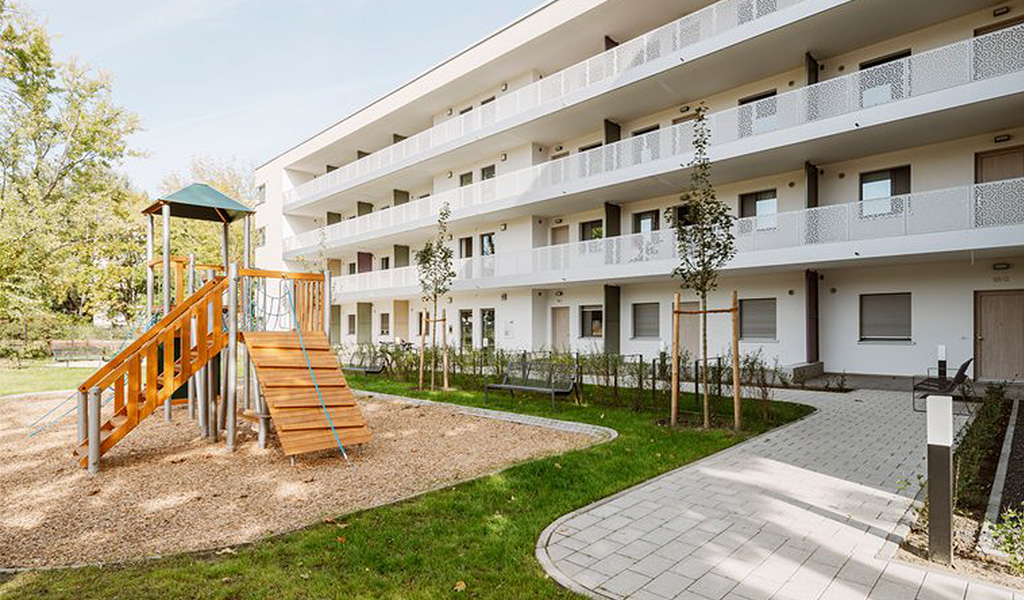
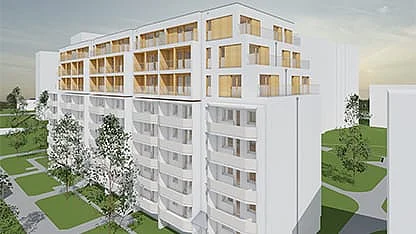
    To create living space without sealing the ground in the growing city of Berlin, HOWOGE is focusing on rooftop extensions . Where construction expands horizontally, the design of the outdoor areas is crucial. HOWOGE has a dedicated landscape architecture project manager for this purpose. She works on climate-adapted greening and the corresponding design of outdoor areas, driveways, and pathways for construction projects. Roof surfaces also play a vital role. Depending on the location and building type, HOWOGE installs green roofs or so-called retention roofs. These roof surfaces act as temporary storage, releasing water gradually through downpipes. The water then fills infiltration basins in the green spaces, where it slowly seeps into the soil or groundwater. Similarly, infiltration trenches—tanks with holes sunk into the ground—slow down the flow of water into the soil during heavy rainfall. With many such measures in place, fewer basements flood, thus relieving the burden on the sewer system. Measures within the framework of the "sponge city" also increase the quality of life for residents, as more plants and less sealing promote evaporation and improve the microclimate.

    Savings expand leeway

    When planning new residential buildings, this also means avoiding basements wherever possible. Many basements and underground parking garages create a barrier to groundwater. These measures for a climate-adapted city make new construction both more cost-effective and more accessible. At HOWOGE, these savings don't simply increase profitability; they also expand the scope for further improving the building and the neighborhood in terms of sustainability.

    Exemplary projects

    Book
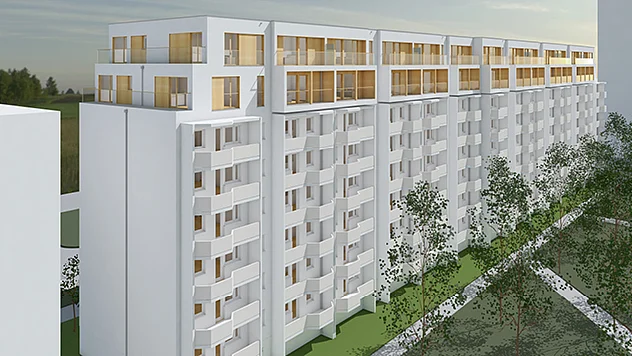
    Franz-Schmidt-Straße 11-17 (roof extension)

    An additional 22 residential units will be built on the 5-story building.

    Mehr erfahren
    Alt-Hohenschönhausen
    Seefelder Straße (roof extension)

    A rooftop addition to the building on Seefelder Straße will create 28 additional apartments. Completion is planned for May 2022.

    Mehr erfahren
    Alt-Hohenschönhausen
    Genslerstrasse 39-47 (roof extension)

    HOWOGE is building another 51 apartments at Genslerstraße 39-47 by adding a story to the roof.

    Mehr erfahren
    Adlershof
    Hermann-Dorner-Allee

    Starting in summer 2019, HOWOGE will build around 622 rental apartments and a daycare center on the edge of the Adlershof technology park.

    Mehr erfahren
    Johannisthal
    Johannisgärten

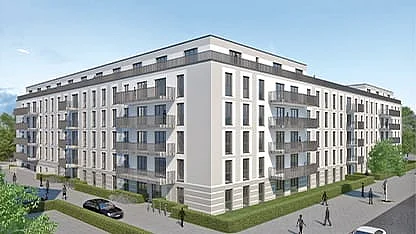
    In the Johannisgärten area, on the road by the airfield, HOWOGE is building 20 residential buildings with over 300 rental apartments.

    Mehr erfahren
    Alt-Hohenschönhausen
    Neustrelitzer Straße

    105 rental apartments were built on Neustrelitzer Straße in Alt-Hohenschönhausen.

    Mehr erfahren